Why Now?
Because the world — and our city — can’t wait.
Yes, our city faces real crises — housing, safety, and inequality — but it also holds extraordinary potential.
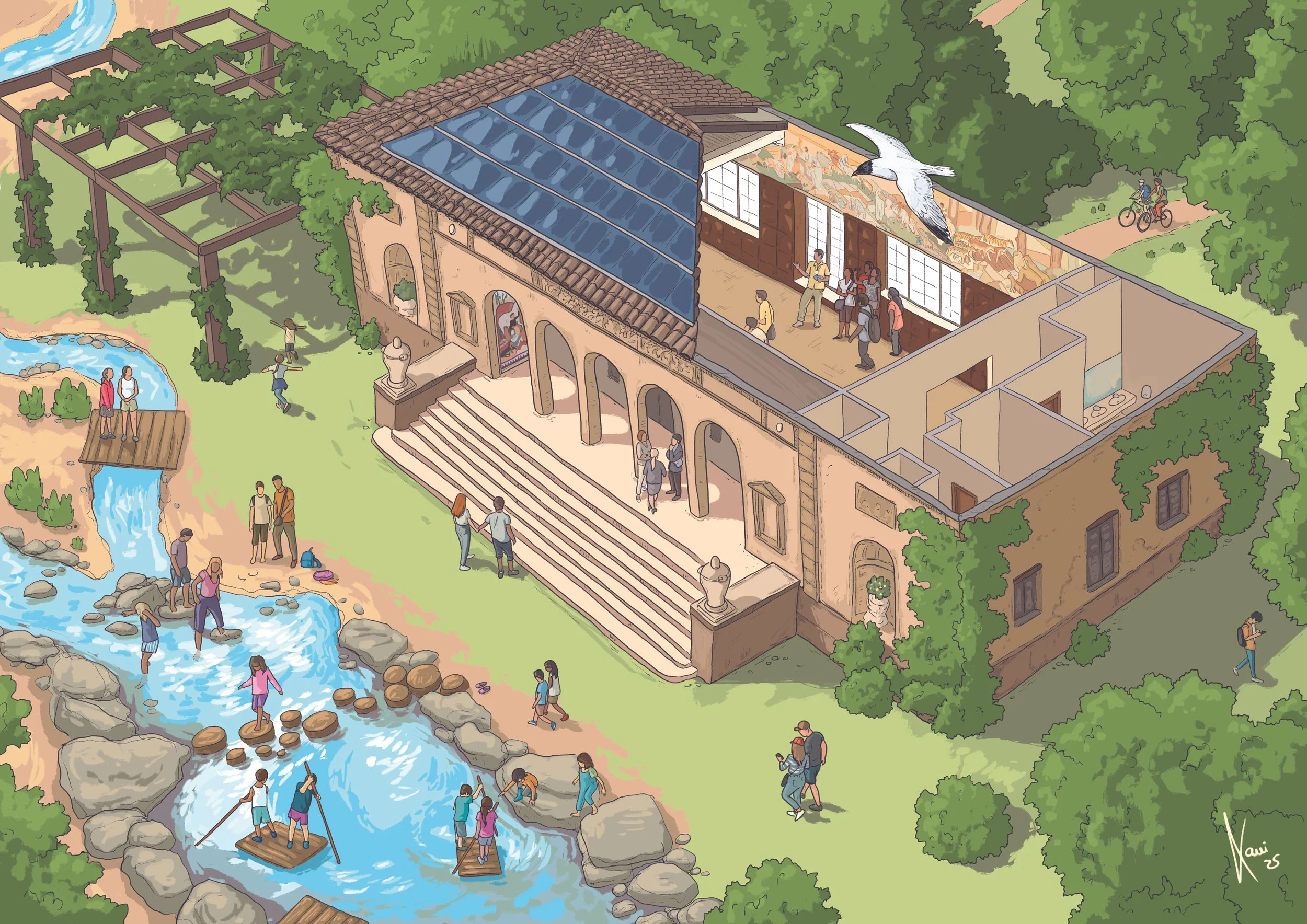
The EcoPark isn’t a luxury project. It’s a reimagining of what’s already ours: 100 acres of public land that could serve as a living model for climate resilience, education, and community renewal.
This is not about building something new for the sake of it. It’s about transforming what exists — an outdated, underused zoo — into a place that reflects San Francisco’s values and future.
A place where children learn from living systems, where wildlife has refuge instead of display, and where our investment serves everyone — people, animals, and the planet.
The choice is simple:
Preserve a relic of the past, or pioneer a model for what cities can become when compassion, financial smarts and innovation lead the way.
Because Standing Still Is the Real Risk
The San Francisco Zoo site is directly threatened by sea-level rise, erosion, and storm surge.
Doing nothing would mean millions in damage to public land, infrastructure, and wildlife habitat.
The EcoPark turns this vulnerability into strength.
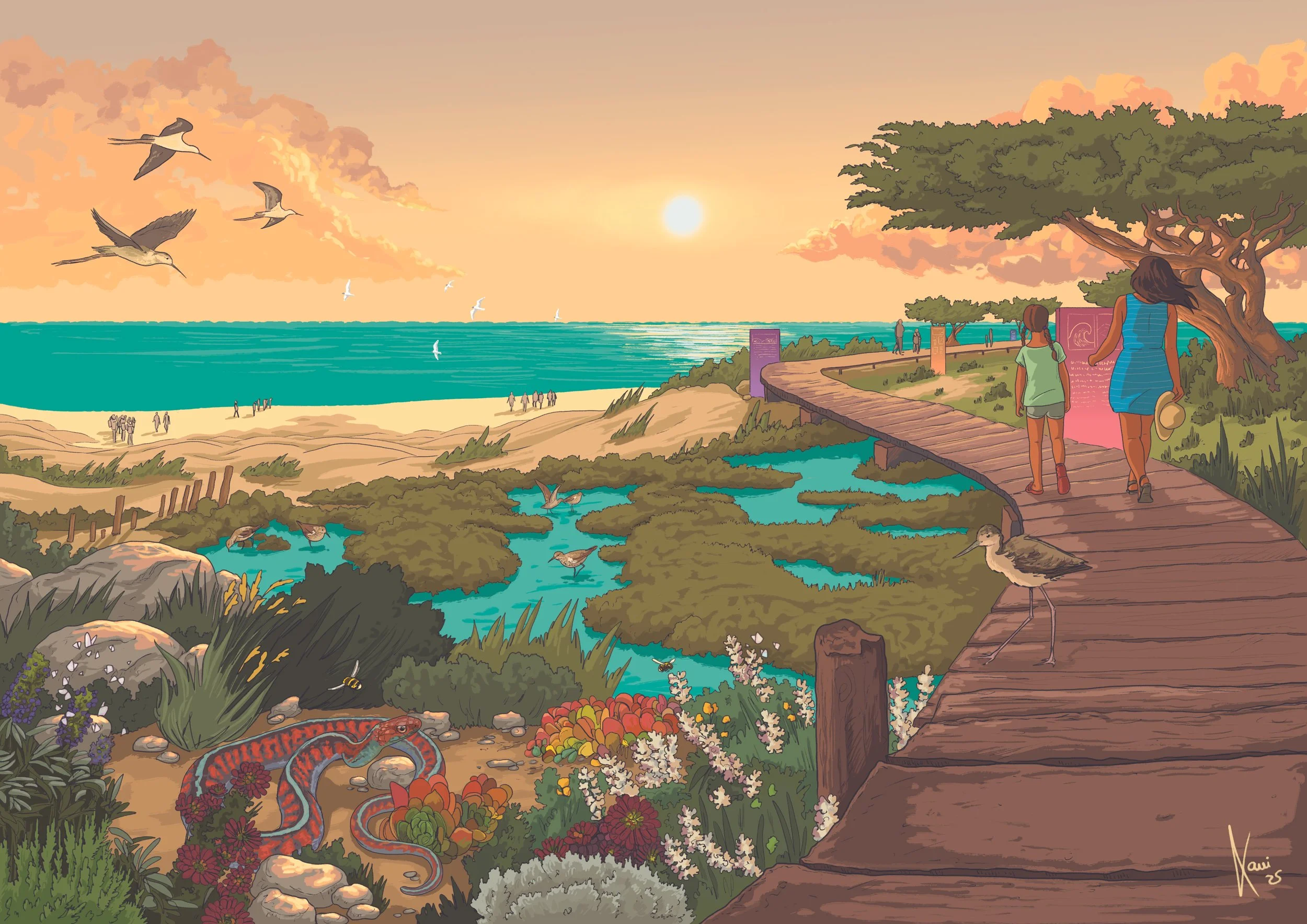
By restoring 20 acres of coastal wetlands and dunes, the project creates a living defense system — protecting nearby neighborhoods, while rewilding the coast for native species and future generations.
This isn’t an optional beautification project; it’s climate adaptation in action.
Because the Economy Needs Regeneration, Too
The EcoPark will create thousands of green jobs across construction, restoration, education, and hospitality.
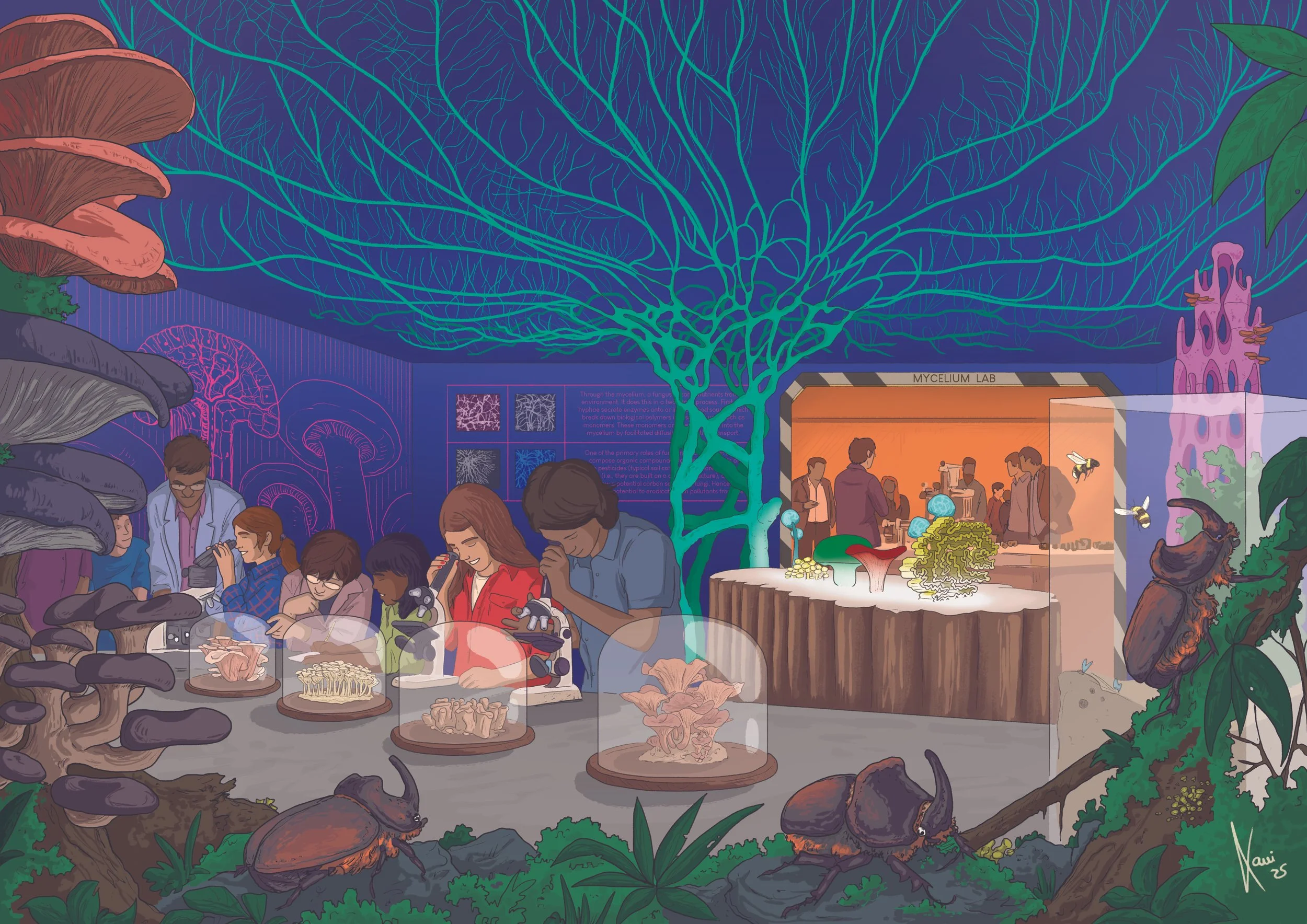
It brings together tradespeople, scientists, artists, and students in a shared mission to rebuild sustainably.
Restoration and landscape work will employ local contractors, supporting an estimated 1,800–2,200 construction and restoration roles during development.
Long-term careers will emerge in conservation, education, and climate innovation, with more than 450 permanent positions once fully operational.
Youth and community members will gain access to 150–200 annual green job training opportunities through programs at the Climate & Action Center.
This is an investment in San Francisco’s future workforce — where caring for the planet becomes a path to prosperity.
Because Our Values Have Evolved
The San Francisco Zoo is trapped in an outdated model — Many of its enclosures are relics of the past: rusting, undersized, and unsafe for both animals and visitors.
Years of neglect and secrecy have eroded public trust, leaving an institution out of step with San Francisco’s values of innovation, compassion, and transparency.
San Franciscans deserve better.
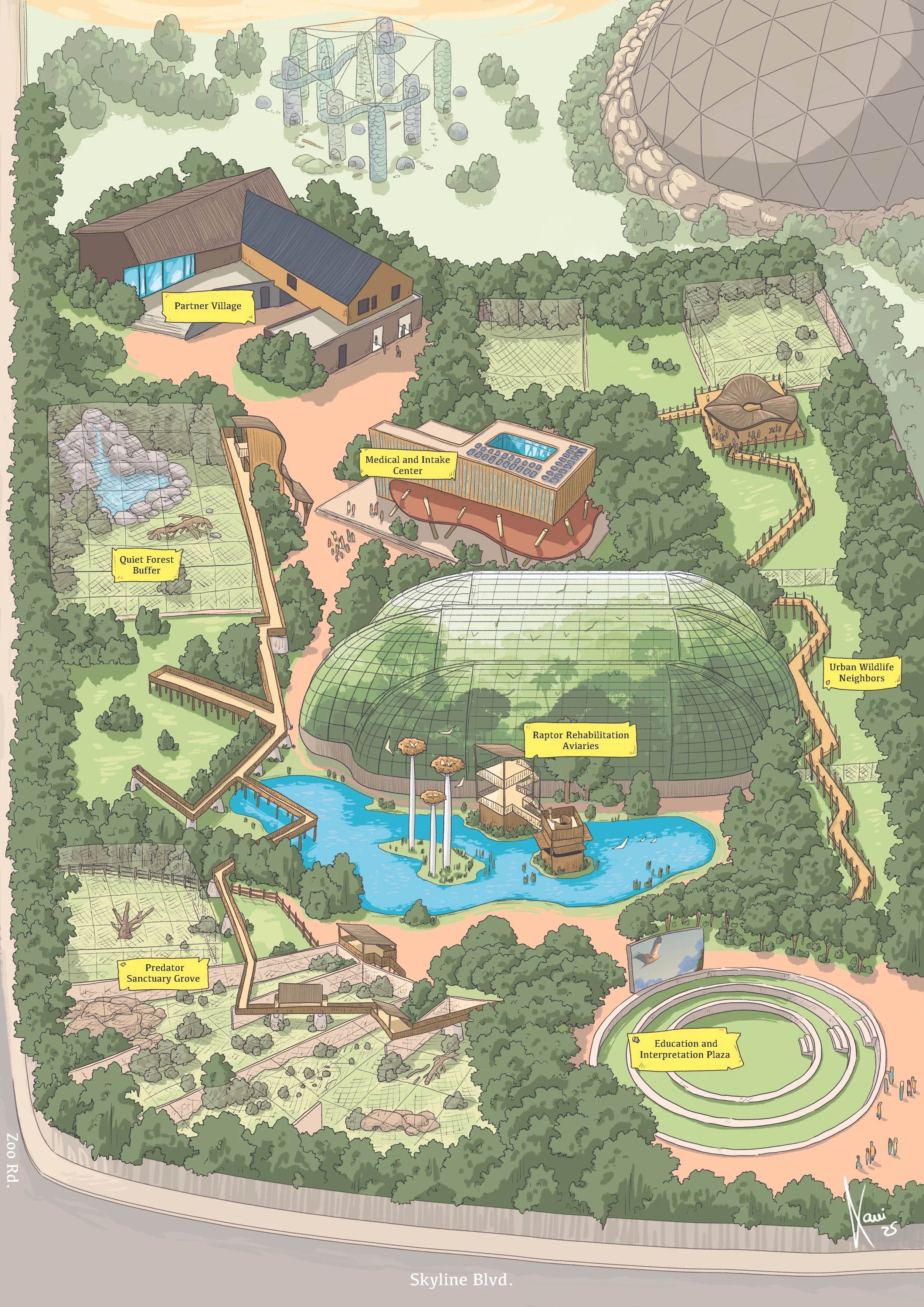
The EcoPark offers that better future. It replaces cages with connection, and spectacle with stewardship.
It transforms the same land into a living classroom for climate action, a sanctuary for native species, and a public space that inspires learning, empathy, and care for the planet.
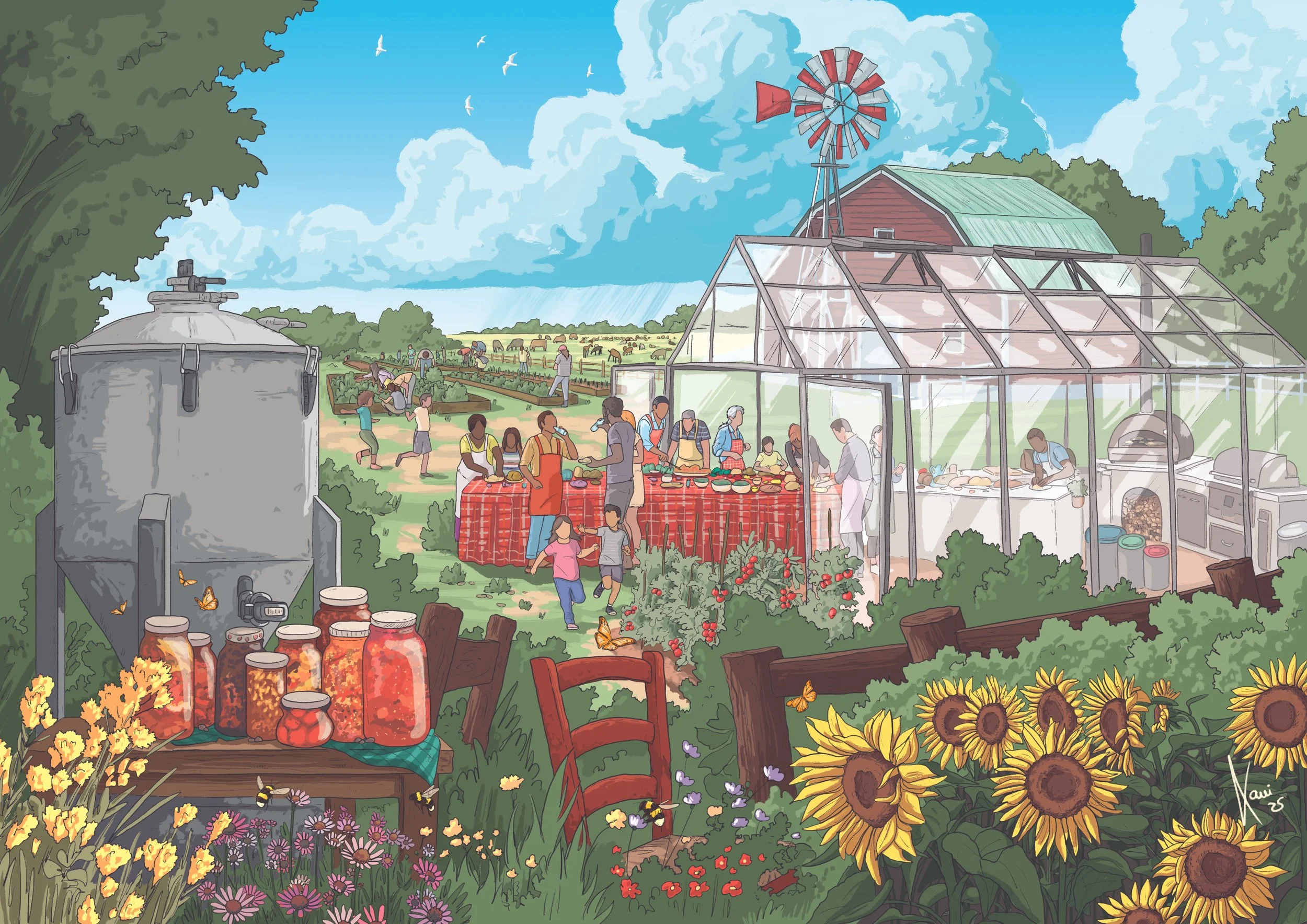
Because San Francisco Needs Healing Spaces
San Francisco faces urgent social and environmental challenges — homelessness, isolation, economic inequality, and a deep erosion of civic trust.
The EcoPark responds with a simple, powerful idea: restore connection through nature through:
Safe, public space for families, students, and neighbors.
Nature-based education that gives kids hope and curiosity.
Calm, green places that support mental health and community connection.
Cities don’t heal through infrastructure alone — they heal through places that reconnect people to life and to each other.
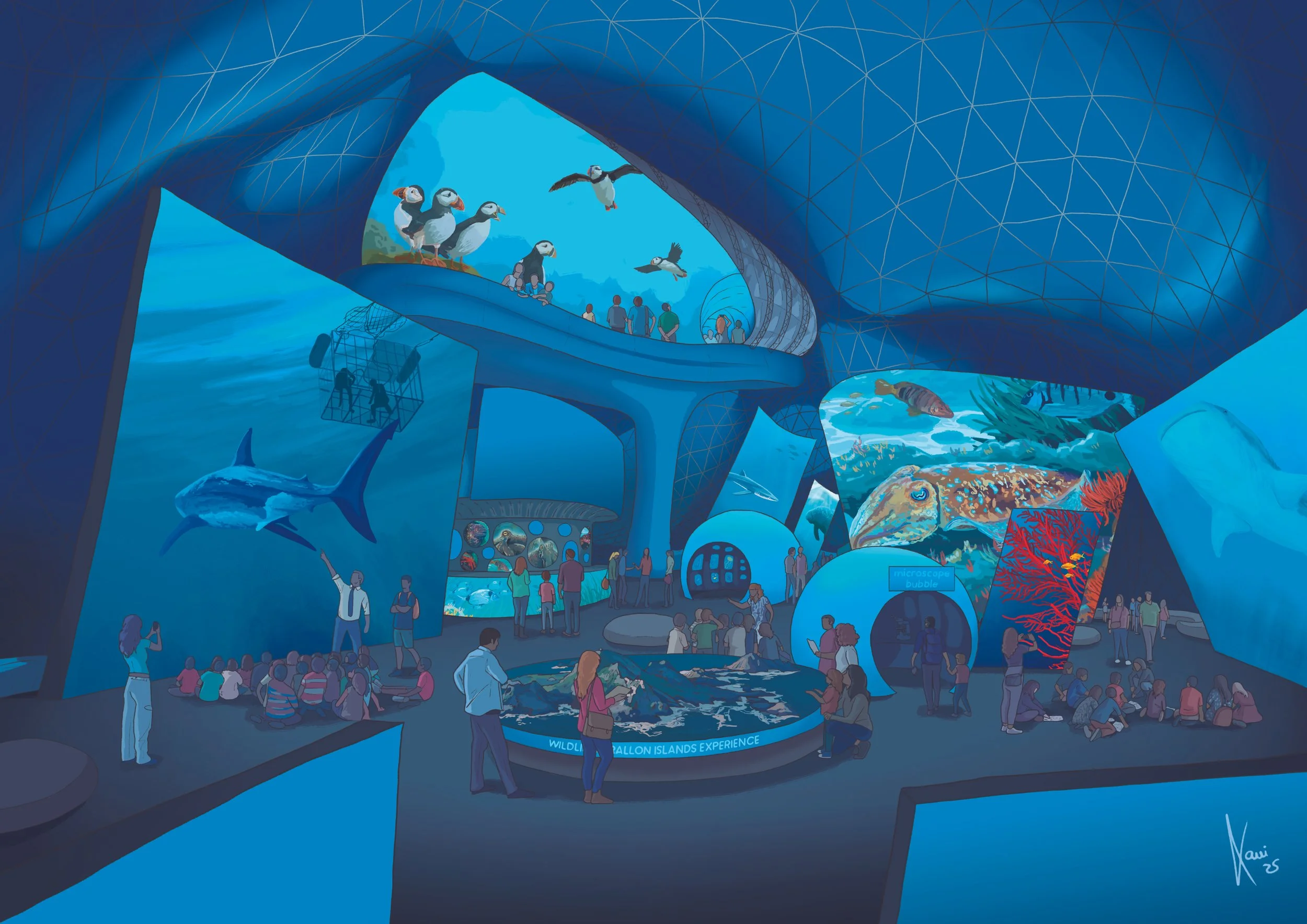
Because San Francisco Should Lead Again
Ours is one of the most innovative, visionary cities on Earth — a place that pioneered everything from the environmental movement to the tech revolution.
But when it comes to how cities treat animals, educate children, and protect their coastlines, we’ve fallen behind.
The EcoPark is a chance to lead globally once again — creating a model that unites climate resilience, ethical care, and public imagination.
This project says to the world:
San Francisco still knows how to build boldly — and compassionately.